Signal 01 / Identification
Give the box an identity
Before you interpret a location or a temperature trace, establish which piece of equipment the record belongs to. Identity is the join between observations—not proof of the cargo inside.
Read the identity checks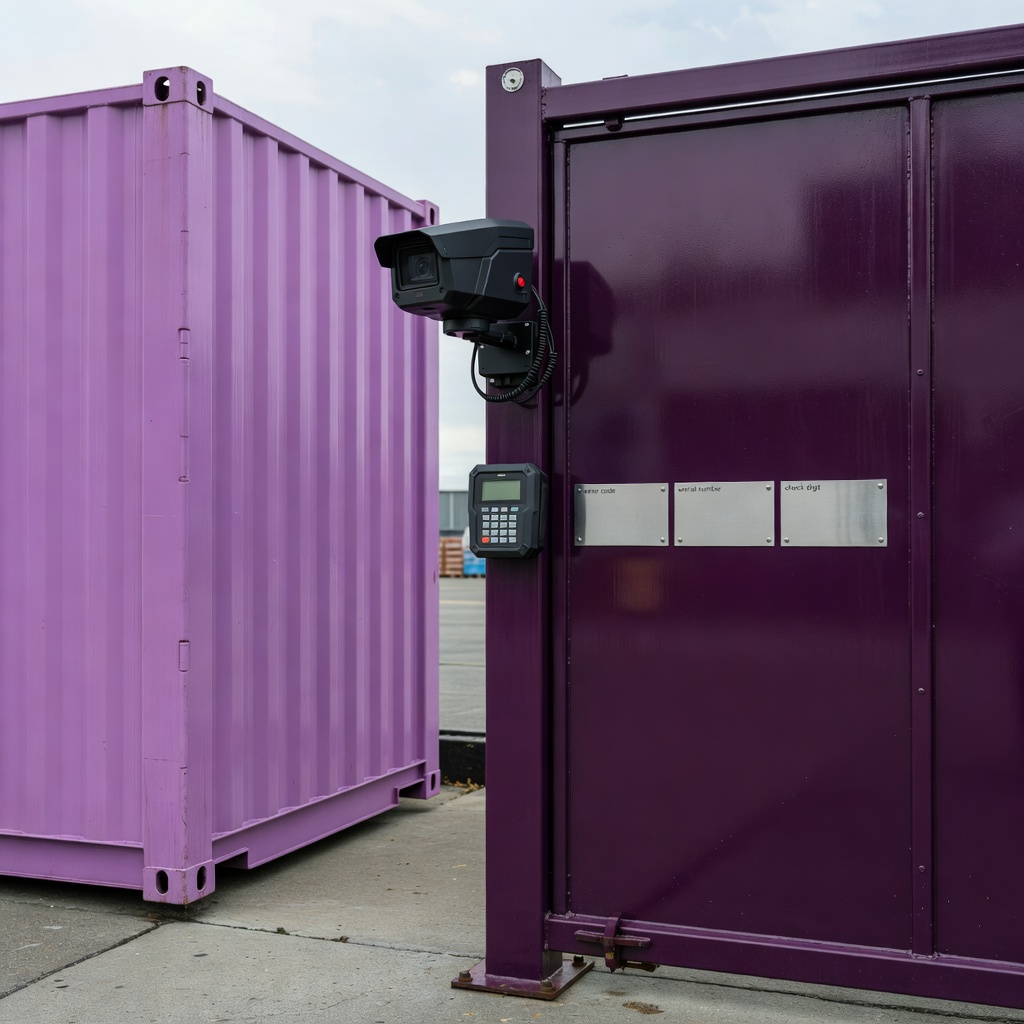
Read the equipment number first
For freight containers using ISO 6346, the identification number combines a three-letter owner code, an equipment category identifier, a six-digit serial number and a check digit. The category letter commonly seen on freight containers is U. This structure gives organisations a shared way to refer to equipment across shipping lines, terminals, depots and inland transport.
The Bureau International des Containers, usually called BIC, maintains the international container prefix register. A registered prefix helps establish the registered owner or principal operator associated with that code. It does not necessarily identify the shipping line carrying a particular load, the seller of the goods or the party entitled to collect them. Leased equipment makes those distinctions especially important.
Know what a check digit checks
The final digit is calculated from the preceding characters according to the ISO 6346 method. Software can use it to detect many transcription mistakes. If a number fails validation, compare the original image, paperwork or physical marking before changing the record. An apparent mismatch can come from a misread letter, a missing digit or an error further upstream.
A successful check is narrower than an authenticity guarantee. It does not show that a photographed box is genuine, that its seal is intact or that the container was present when a record was created. A correctly structured number can still be attached to the wrong transaction. Treat format validation as one useful control within a larger evidence chain.
Keep neighbouring references separate
A booking reference belongs to a transport arrangement. A bill of lading reference belongs to a transport document. A seal number refers to a particular sealing device, while a container number identifies the equipment. These references may appear on the same screen, but they are not interchangeable keys. One booking can involve multiple containers, and a container can carry different shipments over its working life.
Size and type codes provide another layer of information. They describe characteristics of the equipment rather than making it unique. The CSC safety approval plate has a separate safety purpose under the International Convention for Safe Containers. Neither the size/type code nor that plate should be treated as a substitute for the container identification number.
Understand how readers capture identity
Optical character recognition, or OCR, extracts visible characters from images. At a terminal gate, cameras may capture several views as a truck passes. Lighting, dirt, worn paint, obstructions and camera angle affect the result. A confidence score is a system assessment of a reading, not a universal measure that means the same thing across every supplier.
Radio-frequency identification, or RFID, reads a tag rather than painted characters. The tag identifier must be mapped to the correct equipment record, and that mapping needs maintenance. A reader detecting a tag within a particular zone does not automatically establish a precise location. Camera evidence, gate transaction details and human review can help resolve uncertain or conflicting matches.
Build a defensible identity match
When reconciling records, keep the original value alongside any normalised version. Removing spaces for a system lookup can be reasonable; silently replacing an ambiguous character is not. Record where the number came from, the observation time and whether a person confirmed it. If an image supports the match, access to that image should follow the relevant retention and privacy rules.
Check that linked booking, seal and equipment records belong to the same movement. A reused spreadsheet row or an old device assignment can create a convincing but incorrect history. When a sensor is moved between containers, its association should have a clear start and end. Otherwise a genuine temperature reading may be attributed to the wrong box.
Carry identity forward without overclaiming
A sound identity record makes later evidence easier to connect. It does not make every later claim reliable. A gate camera can establish that an identified container passed a checkpoint, while a sensor may describe conditions near its mounting point. Neither fact alone establishes ownership of the contents, customs clearance or readiness for onward transport.
For a logistics coordinator, the practical habit is simple: ask which identifier was observed, how it was captured, and how it was connected to the shipment you are discussing. If the answers differ between systems, resolve that disagreement before interpreting a route or alert. The next guide explains how measurements become useful only when their placement, timing and equipment association are equally clear.
Next: listen to cargo conditions →Reference points
For authoritative definitions, consult BIC, the International Organization for Standardization and the International Maritime Organization. Use the applicable current standard and your operator’s procedures for operational decisions.