Signal 04 / Operational interpretation
Connect the port handoffs
Visibility is useful when the right person can act on it. Port systems connect observations to plans, permissions and responsibilities—but no single status explains every condition of release.
Read the handoff checks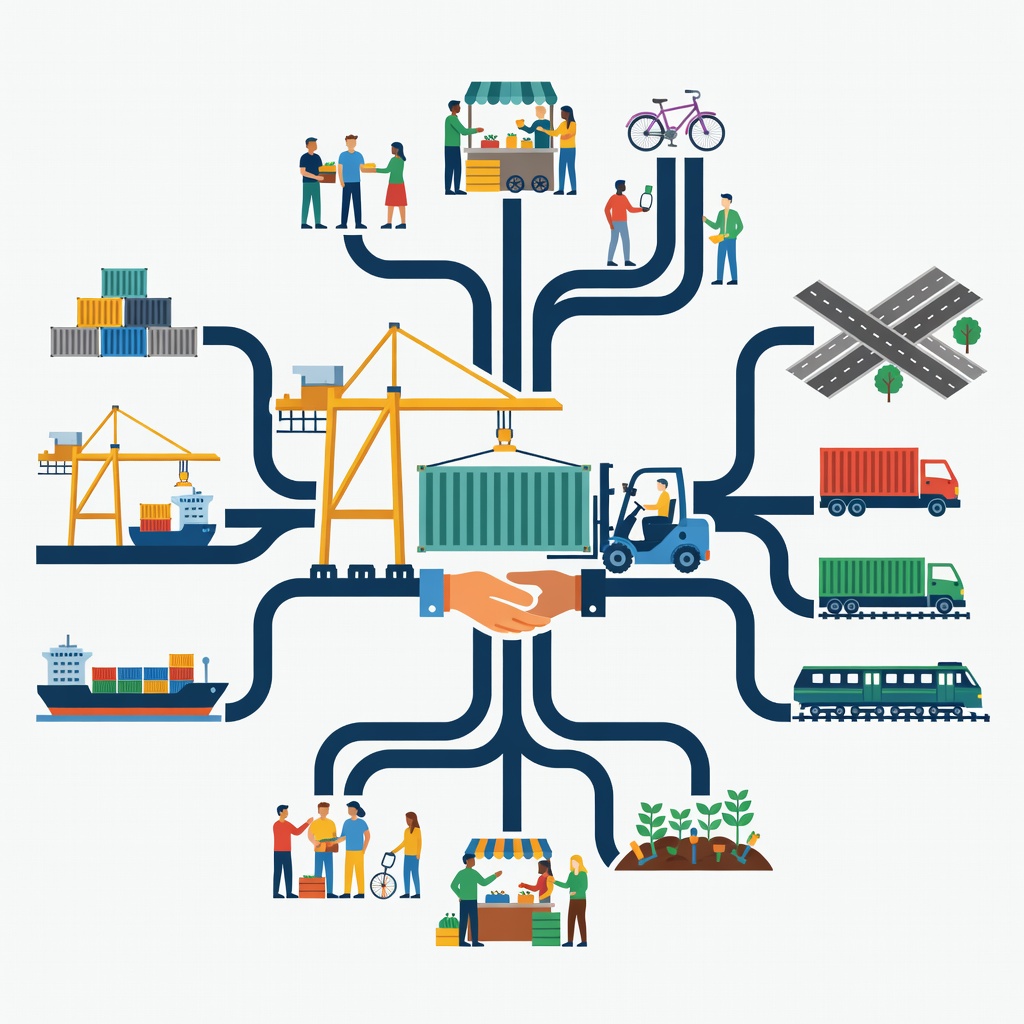
Start inside the terminal
A terminal operating system, often shortened to TOS, supports the planning and execution of terminal work. Its scope can include vessel operations, yard positions, equipment instructions and gate transactions. It helps the terminal manage physical moves and the records associated with them. The exact features and data available to outside parties depend on the terminal and its implementation.
A yard position is meaningful within the terminal’s own location scheme. It should not be confused with a GNSS coordinate or a public collection instruction. A container can be present in the yard but unavailable for immediate handling. Planned work, inspection requirements and operational constraints can all affect the next move. Ask which operational state a displayed status represents before using it to arrange transport.
Understand the community layer
A port community system, or PCS, facilitates information exchange among organisations in a port community. Participants may include terminals, shipping agents, hauliers, freight forwarders and public authorities. A PCS is not simply another name for a terminal’s internal operating system. It connects business processes across organisational boundaries, with access and responsibilities defined by the particular service.
Portbase in the Netherlands and DAKOSY in Hamburg are examples of organisations associated with port community and logistics information services. Their existence illustrates the importance of shared coordination, not a claim that every port follows the same architecture. Customs processes may connect through several channels, and a national maritime single window serves a related but distinct reporting role. Always check the local process rather than assuming one universal workflow.
Connect transport planning to reality
A transport management system, or TMS, helps organise transport orders, capacity, routes and execution. A warehouse management system, or WMS, supports warehouse inventory and activity. Both can consume container milestones, but their planning assumptions may differ from a terminal’s immediate operational view. An update useful for a warehouse forecast may still be insufficient for a driver’s collection decision.
For example, an arrival estimate can help reserve provisional capacity. A confirmed discharge can refine the plan. Neither automatically confirms that collection is authorised or an appointment is available. Keep provisional plans identifiable so that a changed sailing or release delay does not turn an early assumption into an apparently confirmed instruction. The receiving party should know what has been checked and what remains pending.
Separate presence from permission
Physical presence, customs status, carrier release and terminal readiness answer different questions. A container may be discharged while a customs hold remains. A carrier’s release may be in place while a terminal process or appointment requirement is still outstanding. Terminology and conditions vary, so a single green icon should not replace a check of the relevant operator’s requirements.
Collection processes may also involve authorised-party details, secure release arrangements and driver or vehicle checks. Treat release credentials as sensitive information. Do not put them in a general enquiry, a screenshot shared widely or a public tracking link. The responsible service provider should explain the approved method for passing permissions to the next party. Educational guidance cannot authorise a release or verify a specific collection.
Make interfaces accountable
Systems can exchange information through application programming interfaces, or APIs, and electronic data interchange, or EDI. UN/EDIFACT messages such as CODECO and COARRI are associated with container gate and vessel-operation reporting. An API is a method of access, not a promise that the underlying event is immediate, complete or interpreted consistently by every recipient.
Useful integration preserves source identifiers, event times, publication times and correction handling. It should distinguish repeated delivery of the same event from a genuinely new move. Access controls matter too: visibility information can reveal commercial relationships, operating patterns and personal details. Share the minimum required for the decision, and make it clear which organisation owns the underlying operational record.
Give every exception an owner
A practical handoff identifies the container, the confirmed milestone, unresolved conditions, the next action and the responsible party. If a sensor alert coincides with a delayed collection, those facts may need coordinated investigation, but their coincidence does not establish a cause. Keep the original evidence available and distinguish observation from interpretation in your notes.
When information conflicts, agree which source governs each question. The terminal is relevant to terminal moves; the carrier to its release process; customs authorities to their decisions. A visibility platform can bring those records together without replacing their authority. The goal is not a dashboard with the most signals. It is a shared account that lets the next person act safely, with the remaining uncertainty plainly stated.
Ask about a handoff concept →Reference points
Explore Portbase, DAKOSY, UN/CEFACT and the World Customs Organization for institutional and standards context. This site is independent and is not affiliated with these organisations.